Field Notes · Build in public
On a map you can see how close the stops are
The map pane now runs on the sample journey and on shared itineraries — the pages that named places without ever showing where they were.
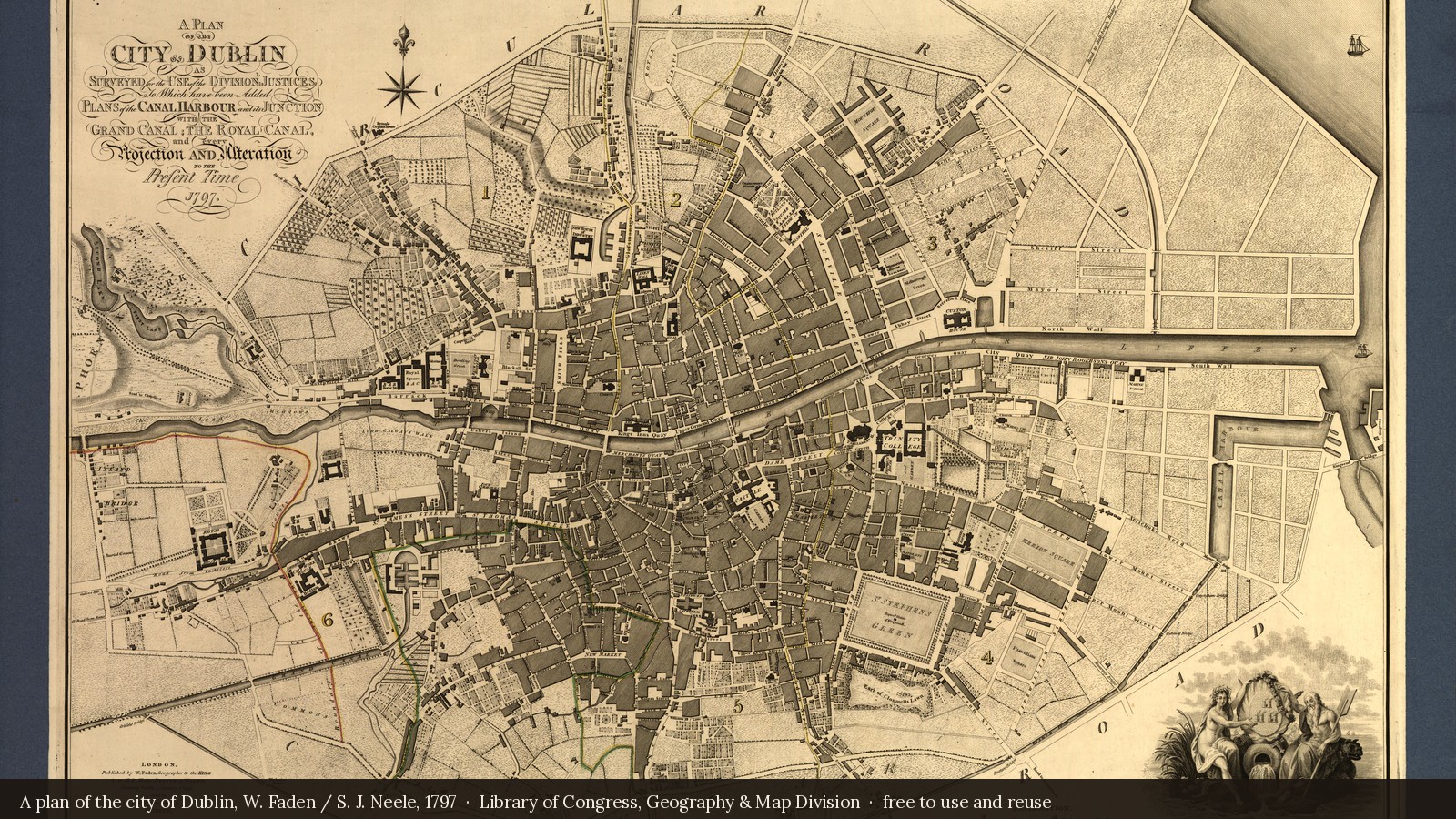
Our shared Dublin itinerary runs on Ulysses, and it has seven stops. Five of them are the ones you would expect: the James Joyce Centre, Sweny's Pharmacy, Davy Byrne's, the National Library, Glasnevin Cemetery. Then stop six is the James Joyce Tower, and its address is Sandycove — not the city, a coastal suburb you take the DART out to. Stop seven is Sandymount Strand, also on the water.
As a list, those are three more lines. On a map they are somewhere else.
That is the change, and I want to be precise about what it is not. We did not build a map. The map has been in the app for a while — signed-in users have had one, and I wanted it there so the thing felt less like a page of text. The components were already sitting in the frontend. What went out is smaller, and I think more useful: we put the map on the pages that had never had one.
The clearest case is the sample journey. /sample is the page I point people at when they ask what Storyland actually does — the one you see before you have an account, before you have typed in a book. It had no map at all. A literary travel product, and the demo was a column of place names.
Both pages draw numbered pins joined by a single route line, because a journey is a sequence — the order is part of what you are being told, and now you can read it off the map instead of counting down the list.
One thing I did not expect, and it is not entirely comfortable. A map is much less forgiving than a list. A list will let a stop sit under the wrong heading and still look tidy. A pin goes where the address says. If we have filed something in the wrong place, the map doesn't hide it — it puts the pin where the address sends it, underneath the wrong title. That is a good property to have and an uncomfortable one to ship.
Seven pins on the Dublin trip, five on the sample. Small numbers. But you can see the shape of it now.
Follow the build
New field notes land on the My Storyland Substack first.
Subscribe on Substack →